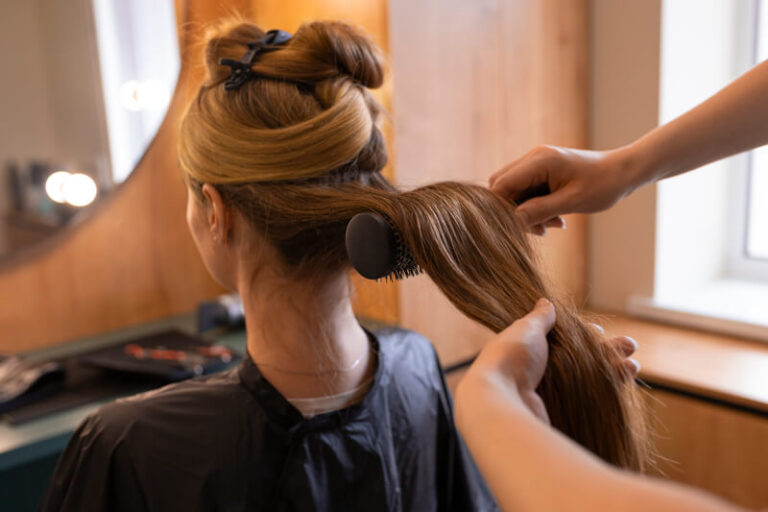

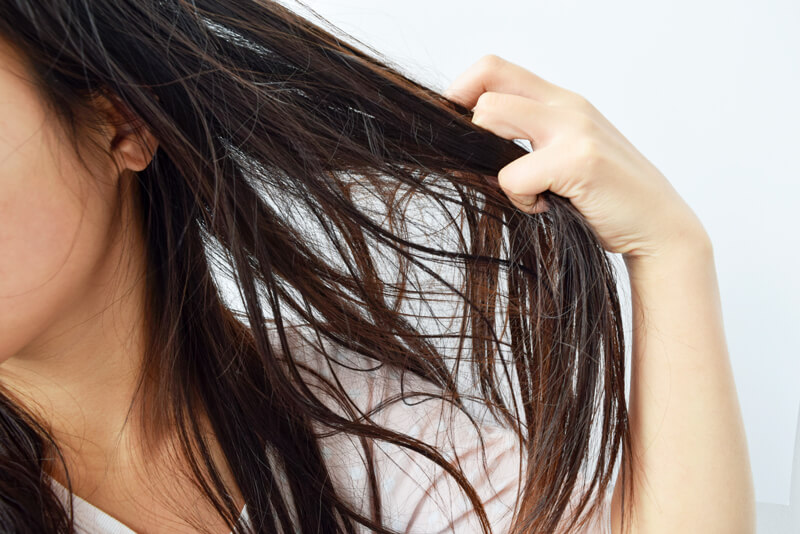
Damaged hair doesn’t always mean it’s time for a big chop. Whether your hair is dry, brittle, frizzy, or full of split ends, the good news is that you can repair damaged hair without cutting it all off if you know what to do.
This guide breaks down what causes hair damage, how to reverse it, and which habits actually restore strength and shine.
What Causes Hair Damage?
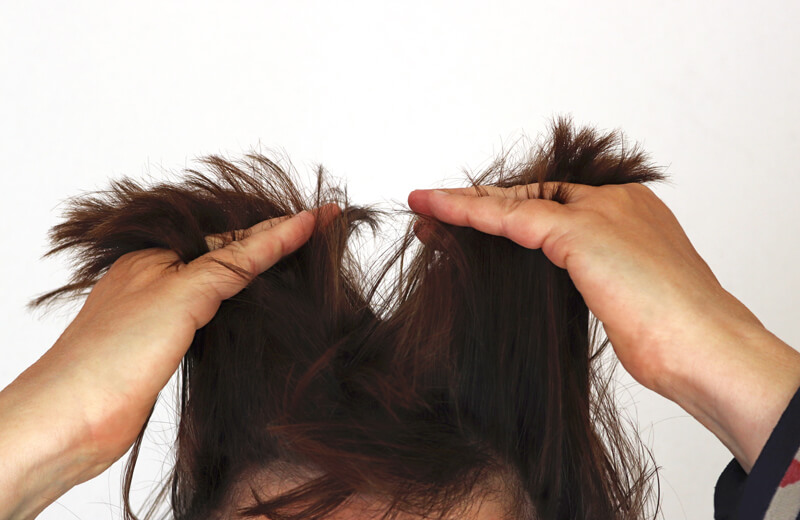
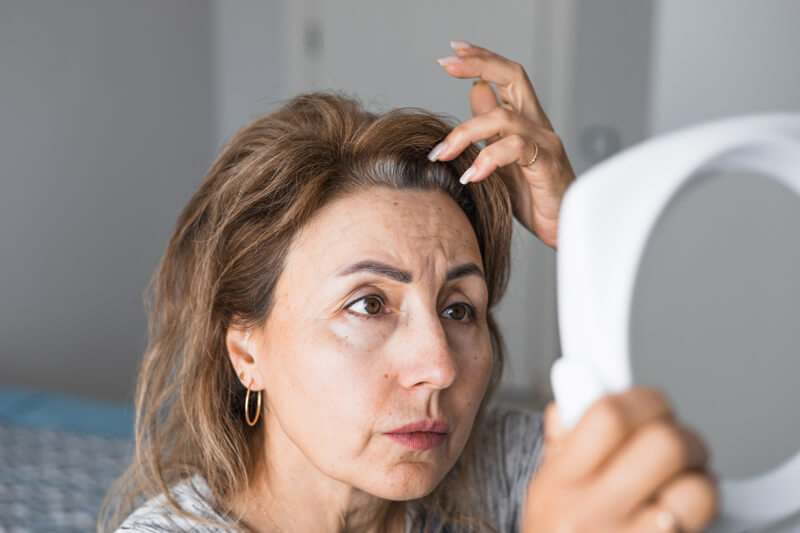
Hair damage happens when the hair’s protective outer layer (the cuticle) is weakened. Common causes include:
- Excessive heat styling (flat irons, curling wands, blow dryers)
- Chemical treatments (bleach, hair dye, relaxers)
- Over-washing or harsh shampoos
- Lack of moisture and protein
- Sun exposure and environmental stress
- Rough brushing or tight hairstyles
Understanding the cause helps you choose the right repair strategy.
Can Damaged Hair Really Be Repaired?
Let’s be honest: severely split ends can’t be permanently “healed.” However, you can:
- Strengthen weak strands
- Improve elasticity
- Reduce breakage
- Seal split ends temporarily
- Restore softness and shine
With consistent care, your hair can look and feel dramatically healthier without losing length.
1. Switch to a Gentle, Repair-Focused Shampoo
Start with the basics. A harsh shampoo can undo all your efforts.
Look for shampoos that:
- Are sulfate-free
- Contain keratin, biotin, or proteins
- Include moisturizing ingredients like argan oil or shea butter
Tip: Wash your hair 2-3 times per week, not daily.
2. Deep Condition Weekly (Non-Negotiable)
Deep conditioning is one of the most effective ways to repair damaged hair without cutting it.
Best practices:
- Use a deep conditioning mask once a week
- Leave it on for at least 10–20 minutes
- Focus on mid-lengths and ends
For very damaged hair, alternate between moisture masks and protein treatments.
3. Reduce Heat or Use It Smarter
Heat damage is one of the biggest reasons hair breaks.
To minimize damage:
- Always use a heat protectant
- Lower your tool temperature
- Avoid daily heat styling
- Air-dry when possible
Your hair doesn’t need extreme heat to look good
4. Seal Split Ends (Without Cutting)
While trims are helpful, you can temporarily seal split ends using:
- Lightweight hair oils
- Leave-in conditioners
- Split-end repair serums
These products smooth the cuticle, reduce frizz, and prevent further splitting buying you time between trims.
5. Improve Your Hair Care Routine
Small daily habits make a big difference.
Do this instead:
- Use a wide-tooth comb on wet hair
- Sleep on a silk or satin pillowcase
- Avoid tight ponytails and buns
- Pat hair dry with a towel (don’t rub)
Consistency is key to long-term repair.
6. Nourish Hair from the Inside Out
Hair health isn’t just topical.
Support repair by:
- Drinking enough water
- Eating protein-rich foods
- Getting vitamins like biotin, iron, and omega-3s
Healthy hair growth starts at the root.
When a Trim Is Necessary
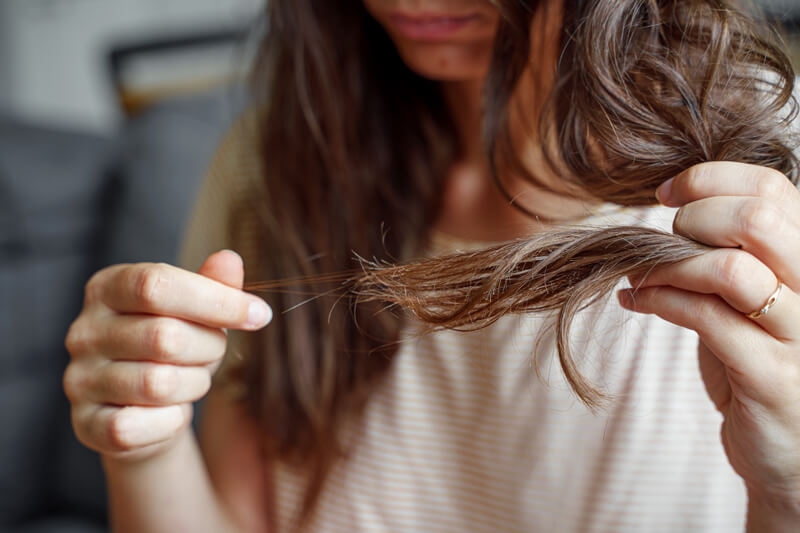
If your ends are:
- Constantly tangling
- Breaking no matter what you do
- Extremely thin or transparent
A micro-trim (¼-½ inch) can actually help your hair grow healthier without sacrificing length.
You don’t need to cut all your hair off to fix damage. With the right products, habits, and patience, you can restore strength, shine, and softness while keeping your length.
Repair takes time, but the results are worth it.